







Search Results for: non-acidic Yirgacheffe
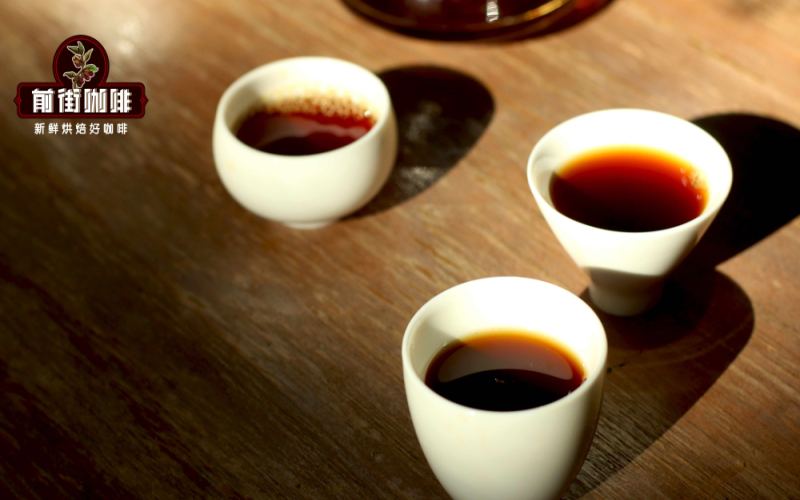
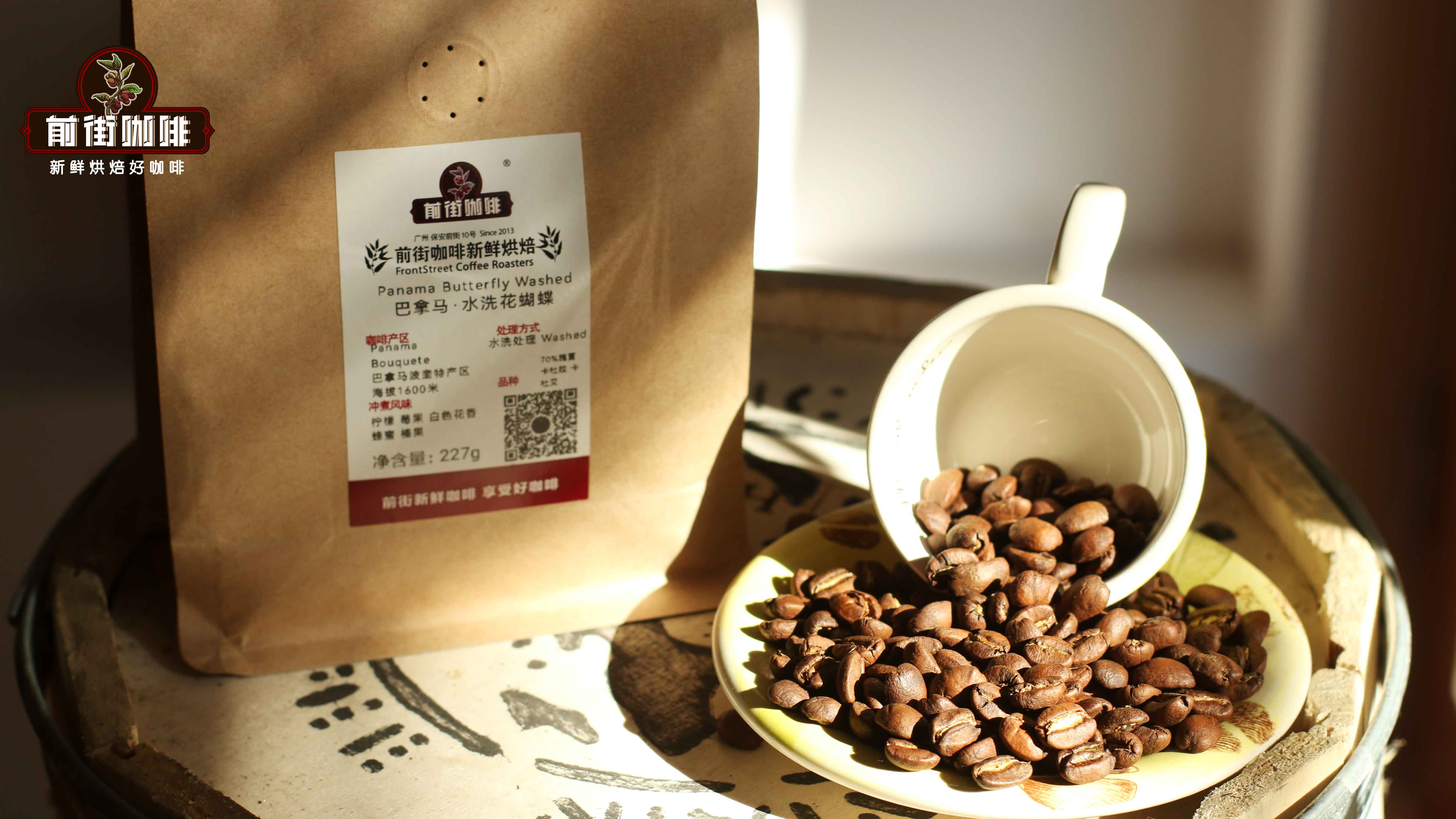
Ethiopian Washed Yirgacheffe Selection: A Recommendation for Non-Acidic Yirgacheffe Led by G1 from the Gedeb Cooperative
Yirgacheffe, with its citrus, lemon, berry, and rich floral notes, complemented by a clear tea-like body, has become the go-to choice for countless coffee lovers starting their journey. It performs effortlessly in pour-over, drip bags, cold brew, ice drip, smart cups, and even French presses. But an outstanding cup of Yirgacheffe relies on the seamless interplay of quality origin, variety, processing method, roasting, and brewing. For ordinary consumers, choosing a bag of freshly roasted high-quality beans can save most of the hassle. This article focuses on Ethiopian washed Yirgacheffe, highlighting the Gedeb Gotiti Cooperative G1 as a representative with soft acidity and rich layers, and summarizes several consistently well-received washed Yirgacheffe products from Front Street Coffee, covering flavor descriptions and reasons for recommendation to help you quickly find your ideal choice. [more…]
Which coffee beans are low in acidity and high in sweetness? Flavor differences of the three major producing regions—Yirgacheffe, Brazil, and Colombia—and a buying guide for non-acidic beans
The flavor profile of coffee varies greatly depending on the region, processing method, variety, and roast level, which allows people with different taste preferences to find the cup that suits them. For those who dislike acidic coffee, knowing how to choose a coffee bean with a non-acidic taste and prominent sweetness becomes the key. This article will start with roast level, analyze the effects of light, medium, and medium-dark roasts on coffee acidity and sweetness, and, combined with the characteristics of regions such as Yirgacheffe, Brazil, and Colombia, recommend several representative low-acid, high-sweetness coffee beans from the Front Street Coffee brand to help you shop with more direction. [more…]
How to Choose a Non-Acidic Yirgacheffe: Judging Flavor by Roast Level
If you want a cup of Yirgacheffe with a soft, gentle acidity, the roast level is usually more worth checking first than the region name. Yirgacheffe often has citrus, floral, and tea-like notes; when lightly roasted, its acidity is brighter, and it also tastes refreshing as it cools. If you prefer a rounder coffee with pronounced sweetness, you can narrow your choices to medium or medium-dark roasts, and then based on your [more…]
How to Choose Non-Acidic Coffee Beans? Flavor Differences Between Yirgacheffe, Brazil, and Colombia, Plus Six Low-Acid Bean Recommendations
Many coffee lovers dislike coffees with prominent acidity, so how should they choose coffee beans that aren't sour? In fact, the acidity of coffee is closely related to roast level, origin, and processing method. Typically, lightly roasted beans have bright fruity acidity, while medium-dark roasts bring more sweetness and body, with a more balanced acidity-to-bitterness ratio. This article starts with roast level to help you sort out the differences in acidity among origins like Yirgacheffe, Brazil, and Colombia, and, following the standard of low acidity and high sweetness, recommends six coffees: Front Street PNG Bird of Paradise, Front Street Brazil Queen's Estate, Front Street Golden Mandheling, Front Street 2013 Yunnan Typica, Front Street Strawberry Candy Geisha Blend, and Front Street Colombia Huila, so you can easily find a good coffee that isn't sour. [more…]
Pour-Over Coffee: Should You Choose Acidic or Non-Acidic Beans? Understanding the Two Flavor Camps at a Glance
First-time buyers of pour-over coffee beans often find themselves stuck in a dilemma: should I buy something acidic, or something not acidic? In fact, there is no standard answer to this question. The fun of pour-over coffee is that different beans can present completely different styles. Some people love the bright, lively notes of floral and fruity flavors, while others love the warm, solid comfort of the rich, full-bodied camp. The key [more…]
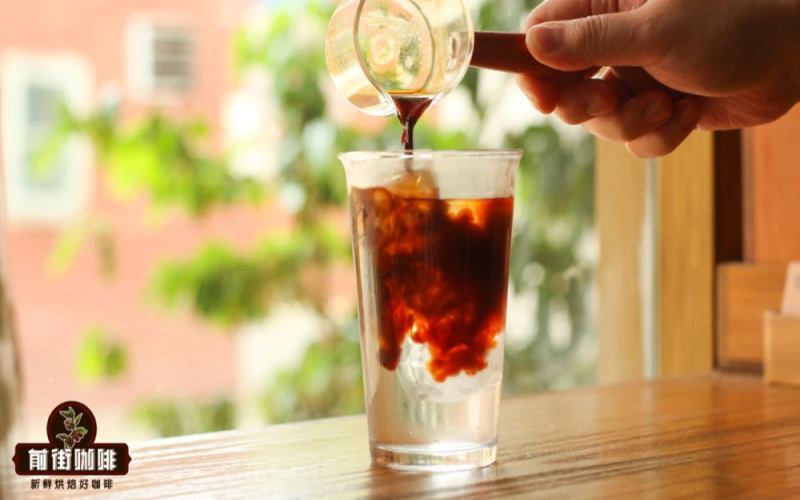
Where Does the Acidity in Americano Black Coffee Come From? A Full Guide to Non-Acidic Espresso Blend Beans and Brand Selection
Americano has become an indispensable daily drink for many people, especially in hot seasons when an iced Americano is particularly refreshing. However, as a crop, coffee inevitably varies in quality. Many people wonder when they taste an Americano with sourness: is this normal? In fact, coffee beans naturally contain rich acidity, which gradually decreases with darker roasting. Today, coffee flavor trends are shifting from traditional bitter-burnt notes to floral and fruity acidity, and SOE Americanos are becoming increasingly popular. This article will explain the sources of sourness and the principles of extraction, and recommend several espresso blend coffee beans with non-sour, nutty-chocolate-cookie flavors, including popular Front Street Coffee products, to help coffee lovers find their ideal daily staple. [more…]
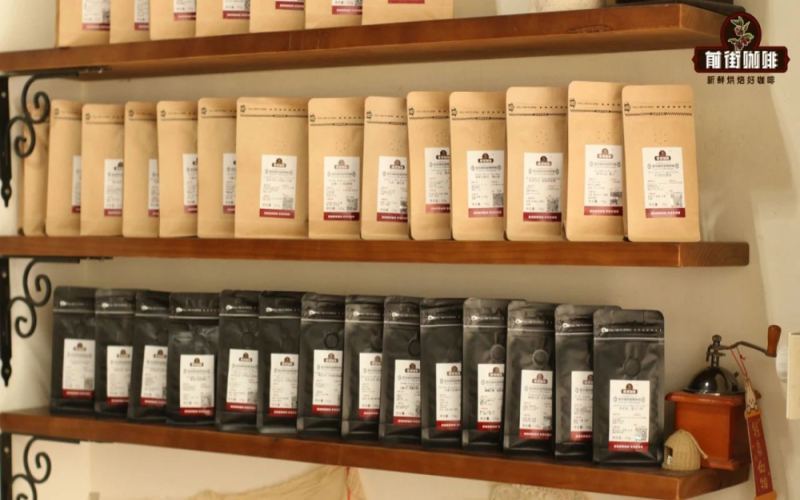
How to Choose Non-Acidic Coffee Beans? Six Low-Acidity, Rich Coffee Bean Recommendations and an Analysis of Front Street Coffee's Classic Espresso Blend
The flavor of coffee beans varies greatly depending on origin and processing method. If classified by acidity intensity, light roasts and medium-light roasts typically present bright fruity acidity, while medium-dark roasts and dark roasts tend toward low acidity and mellow body. This article focuses on coffee beans that are not sour or have extremely low acidity. Front Street Coffee has selected six representative beans, covering Brazil Queen's Estate, Colombia Huila, PWN Golden Mandheling, Papua New Guinea Bird of Paradise, Brazil Red Bourbon, and the Strawberry Candy espresso blend, and additionally recommends a classic blend suitable for moka pots and espresso machines. Each bean comes with origin, variety, processing method, and flavor description to help enthusiasts who prefer a mellow, non-acidic taste make precise purchases. [more…]
How to choose entry-level coffee? Seven non-acidic coffee bean recommendations and an interpretation of Brazilian coffee flavors
Faced with a dazzling array of coffee varieties, friends who are new to coffee often don't know where to start. This article compiles seven coffee beans known for their low acidity and rich, mellow body, covering products such as Front Street Brazil Queen Estate, Colombia Huila, PWN Golden Mandheling, Bird of Paradise, Brazil Red Bourbon, Strawberry Candy Espresso, and the Classic Espresso Blend, introducing each one's origin, variety, processing method, and flavor characteristics. Whether you prefer nutty-chocolate notes or are after fruity fermented sweetness, you're sure to find the cup that suits your taste. [more…]
Non-Acidic Americano Coffee Beans Buying Guide | Espresso Blend Combinations and Nutty Chocolate Cookie Flavor Analysis
Americano has long become an indispensable daily drink for many people; whether hot or cold, a cup always brings satisfaction. But as coffee is a crop, its flavor naturally fluctuates—some prefer a rich, bitter note, while others have low tolerance for acidity. If you happen to be looking for an Americano coffee bean with不明显 acidity and a nutty chocolate-cookie style, this article will systematically sort out your purchasing approach, from the causes of coffee acidity and extraction principles to the differences between SOE and espresso blends, and then to specific product recommendations. The article will also combine sales data from major platforms to list several espresso blend coffee beans suitable for making low-acid Americano, covering different price points and uses, making it convenient for coffee lovers and shop owners to reference. [more…]
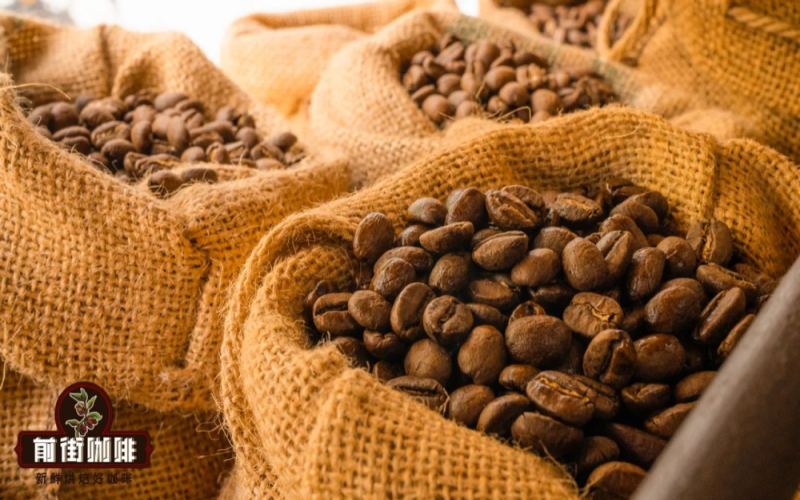
Recommendations for non-acidic pour-over coffee beans | Is dark roast coffee suitable for pour-over black coffee? How to brew Bird of Paradise, Golden Mandheling, and Yunnan coffee beans so they taste good and not bitter?
For more specialty coffee knowledge, please follow our WeChat official account: FrontStreet Coffee. In yesterday's article sharing flavor descriptions, the section on "body" sparked a lively response among coffee friends, and a friend asked via the backend that the deep-roasted coffee he brewed had a mouthfeel compared to [more…]
Not-Sour Yirgacheffe Coffee Bean Recommendations: How to Choose for Black Coffee, Milk Coffee, and Iced Drinks
The requirements for beans differ between black coffee and milk coffee. Black coffee needs aroma and sweetness that can stand on their own, while milk coffee requires the coffee liquid to have sufficient strength and body, so that clear flavors remain after milk is added. Deciding first whether milk will be added to the cup, and then choosing the style of beans, makes it easier to pick a suitable one. Dark [more…]
Espresso Bean Selection Guide: How to Match Dark Roast Blends and Light Roast Single Origins to Latte and Americano Needs
Faced with a dazzling array of coffee beans, how do you choose the one most suited for making espresso? The answer isn't unique—the key lies in what kind of flavor profile you're after. Some seek a rich, acid-free, full-bodied latte base; some prefer a bright, fruity, clean-tasting Americano style; and others want a balance of both—distinctive yet harmonious. Starting from the actual needs of Front Street's stores, this article systematically sorts through the characteristics and suitable scenarios of dark-roast blends, medium-light roast single origins, and anaerobic-process beans according to different taste preferences, helping you quickly pinpoint the espresso bean that best fits your needs from Front Street's extensive bean list. [more…]
Medium-Dark Roast Coffee Beans | Which Hand-Brew Coffee Tastes Less Sour: Yirgacheffe, Brazil, or Colombia? 6 Cocoa-Flavored Specialty Single-Origin Hand-Brew Coffee Beans Recommended
Coffees from different regions, processing methods, varieties, and roast levels present different flavor profiles, so there is a suitable option for many people, whether they love acidity or not. Many people think that acidic coffee tastes rather sharp, so they start looking for high-quality coffee beans with a non-acidic taste. As consumers, then, what can we [more…]
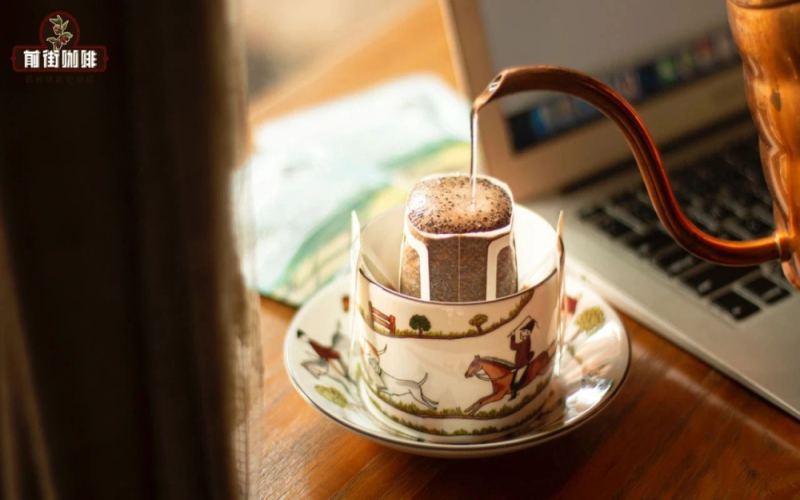
Can Drip Bag Coffee Only Be Brewed Once? A Detailed Guide to the Correct Brewing Steps and Coffee-to-Water Ratio for Drip Bag Coffee
Drip bag coffee, with its convenient brewing method and flavor performance close to pour-over, has become the daily first choice for many coffee lovers. But many people still have questions about its brewing details: how many times can one drip bag actually be brewed? How should water temperature and the coffee-to-water ratio be controlled? This article will start from the structural principles of drip bag coffee, explain why it can only be extracted once, and break down the four key steps step by step: warming the cup, hanging the bag, pre-wetting, and pouring water. At the same time, combined with the flavor characteristics of three drip bags—Front Street Coffee washed Yirgacheffe, wet-hulled Mandheling, and sun-dried Huakui—it helps drinkers with different taste preferences find the choice that suits them, so that every drip bag can consistently present the ideal taste. [more…]

The Complete Guide to Buying and Brewing Drip Coffee: Freshness, Flavor Varieties, and Key Brewing Tips
Drip bag coffee, with its portability, has become a simplified alternative to pour-over coffee—just add hot water and a cup to enjoy it anytime. However, the loss of aroma and gas emission after pre-grinding the coffee grounds can weaken the flavor, so when purchasing, pay attention to freshness, taste compatibility, and brewing details. Front Street Coffee uses beans freshly roasted within 5 days and offers 24-hour shipping to ensure the best performance of drip bag coffee. From the bright fruity acidity of Yirgacheffe to the rich, non-acidic Golden Mandheling, and the balanced, mellow Yunnan small-bean coffee, this article reviews several selected drip bag coffees and explains a four-step brewing method in detail, helping coffee lovers avoid common pitfalls and achieve a consistently good taste. [more…]
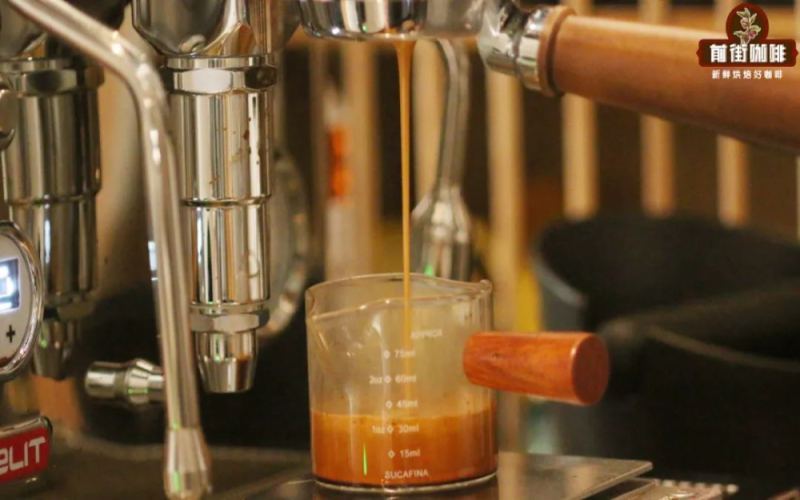
What is the connection between SOE and pour-over? A comprehensive interpretation of the flavor differences in espresso blend beans
SOE is the abbreviation of Single Origin Espresso, that is, single-origin espresso, which stands in contrast to traditional espresso blends. As the specialty coffee wave advances, more and more cafés are putting SOE on their menus. It emphasizes highlighting the distinctive flavors of a particular origin, making it easier for consumers to connect with the place of origin. However, SOE is not absolutely superior to blends; each has its own suitable scenarios: SOE excels in clarity of flavor, yet places extremely high demands on roasting and extraction techniques; blends achieve balance and stability by complementing one another's strengths. In this article, Front Street breaks down in detail the definition, advantages, and difficulties of SOE, and compares it with espresso blend coffee beans. It also recommends several coffee beans suitable for making SOE, including Natural Red Cherry, Brazil Queen's Farm Yellow Bourbon, and Golden Mandheling, and finally answers whether SOE coffee beans can be used for pour-over. [more…]
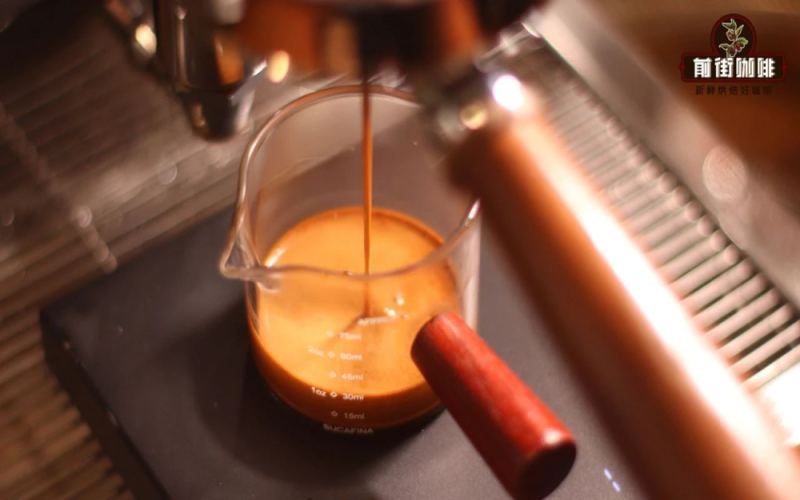
Espresso Bean Selection Guide: How Coffee Shops Craft a Balanced and Smooth Coffee Blend
Espresso is a magnifying glass for coffee flavor—any flaw or virtue is multiplied several times over, which is why finding a satisfying blend bean is no easy task. What kind of espresso beans does a coffee shop really need? This article analyzes the question from three angles: choice of roast level, the universal appeal of sweetness, and collaboration within the blending team. Drawing on customer survey data and tasting experience from trade shows, it explores how to balance acidity and bitterness, and how to satisfy both espresso and milk-based coffee offerings. It also recommends products such as Front Street Classic Blend and Front Street Specialty Blend, offering coffee professionals a practical reference for selecting beans. [more…]
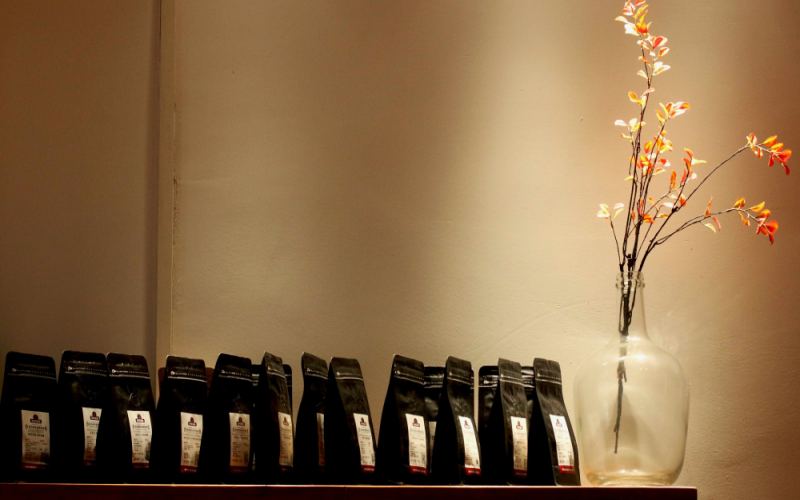
Where in Guangzhou can you buy good coffee beans? A beginner's guide to choosing coffee beans and Front Street Coffee recommendations
Many friends in Guangzhou want to buy coffee beans but prefer not to shop online. In that case, it's worth paying a visit to Front Street Coffee. Front Street covers coffee-growing regions across three continents, and every bean comes with detailed traceability information. Dedicated roasting curves are developed based on each origin and variety's characteristics, allowing the flavors to be fully expressed. From the fruity acidity and floral notes of Africa, to the rich, mellow, low-acid profile of Asia, to the balanced smoothness of the Americas, Front Street has a representative bean for each. If you favor the lemony acidity and jasmine aroma of Ethiopia, or the berry notes of Kenya, or the herbal flavors of Mandheling, the balanced taste of Blue Mountain, or the floral-fruity tea-like quality of Geisha, you can find them all at Front Street. This article will walk beginners through the flavor characteristics of different regions and introduce Front Street's popular single origins, helping you find the one that suits you best. [more…]
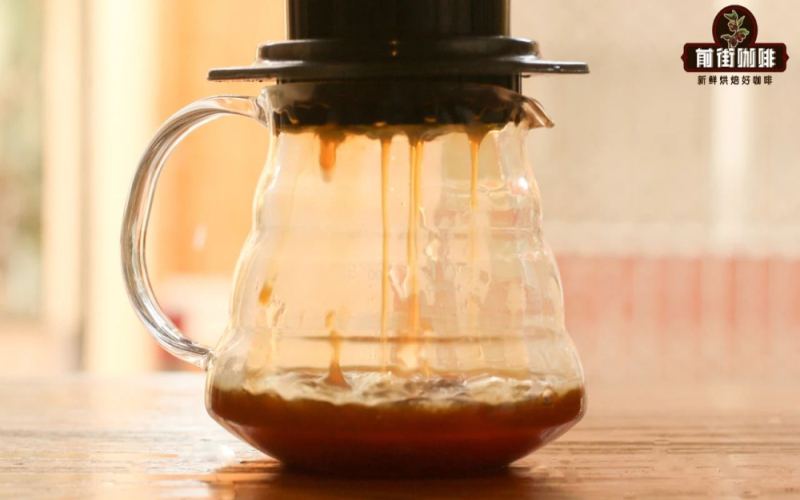
Is an AeroPress suitable for Mandheling coffee? A detailed guide to brewing parameters and techniques for medium-dark roasted beans
The AeroPress sits between pour-over and espresso, with a low barrier to entry and consistent results, but if you want to fully bring out the flavors of medium-dark roasted beans, you still need to master key variables such as grind size, water temperature, time, and stirring. This article focuses on Front Street Coffee's AeroPress coffee beans, outlining the approach to selecting beans for both light roasts and medium-dark roasts, and provides recommended coffee-to-water ratios, blooming rhythm, the cross-stirring technique, and water temperature suggestions of 80 to 90°C, helping coffee enthusiasts find a brewing method that suits them in the balance between acidity and sweetness and a rich, full-bodied taste, while also answering the question of whether medium-dark roasted beans such as Mandheling can be used in an AeroPress. [more…]
Prefer a full-bodied taste without acidity? A guide to seven Front Street Coffee pour-over and espresso bean recommendations
Many friends who are new to coffee often struggle with choosing beans that suit their taste, especially those who dislike acidity. In this article, Front Street Coffee has put together a practical list for enthusiasts with more conservative palates, covering seven beans from regions including Brazil, Colombia, Indonesia, and Papua New Guinea. From Queen's Farm Yellow Bourbon to Golden Mandheling, from Bird of Paradise Typica to the classic espresso blend, each one lists its variety, processing method, and flavor characteristics. Whether you prefer the clean, full-bodied style of pour-over or the rich, sweet intensity of espresso, you can find an option here that is low in acidity and full of aroma. [more…]